
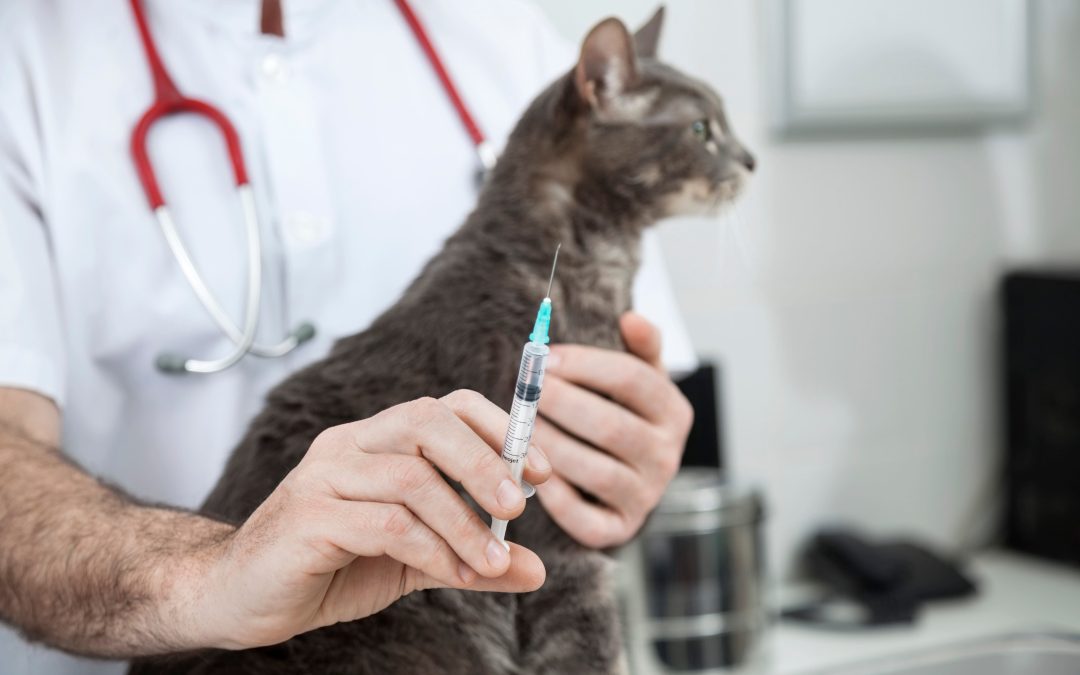
There’s no need to fret over your pet’s upcoming surgery. Your beloved pet is in capable and expert hands with our veterinary surgeon in Louisville KY. Please follow the guide below to help direct you through pre-and post-surgery care.
Common Surgeries
Dogwood Veterinary Clinic can perform various surgeries for your pet. We value every pet that comes into our animal hospital, so we never treat common surgeries, such as spaying and neutering, as routine. We also handle other surgeries, as well as orthopedic surgeries. We specialize in the MMP procedure, which allows pets to walk on their affected leg 24-48 hours after surgery.
Before scheduling surgery vet services, you’ll meet with our pet surgeon for a thorough consultation about your pet’s surgery. We’ll give detailed care instructions for pre- and post-treatment. Keep reading for general things to know about caring for your pet before and after surgery.
Pre-Surgery Care
If your pet is up for it, it’s nice to have them bathed and groomed the week before surgery. You’ll need to keep any incisions dry and clean after surgery, so you won’t be able to have them groomed for a while post-surgery.
Have a plan for transporting your pet before and after surgery. Cats are infamous for not wanting to get in their crates, so it may be ideal to have a game plan for the morning of their surgery to ensure you arrive on time. If you have a large dog, you’ll also need a plan for how you’re going to get them out of the car after surgery. Consult your vet for advice if you’re unsure how to proceed.
On the morning of surgery, your pet is not to eat or drink anything. Your vet will give you a specific feeding timeline depending on what time your pet’s surgery is. They’ll also instruct you on the medicine your pet needs to take before coming in for surgery. You’ll also want to arrive on time and be sure to double-check with the staff that they have your correct phone number so they can send you updates.
Post-Surgery Care
Your cat or dog surgeon will give you specific directions on how to care for incisions, stitches, and medicine. Precisely follow their directions, especially the ones for medications. You may also want to ask for a diet recommendation post-surgery. Often, anesthetic from surgery or medicine can make your pet feel queasy, and they may need a more bland and smaller diet than you usually give them.
Your pet will need a comfortable and quiet place to recover, so keep children or other animals away from them until they’ve had time to heal. They’ll also likely have movement restrictions, so you may want to utilize a crate or confine them to a specific room to reduce their movements.
Regular Follow-Ups
After surgery, you’ll need to bring your pet back to Dogwood Veterinary Clinic so we can monitor their recovery progress. This appointment is important to ensure the success of the surgery and check the stitches.
If your pet needs a common surgery or a more specialized one, call us to discuss setting up a consultation in Louisville, KY.