
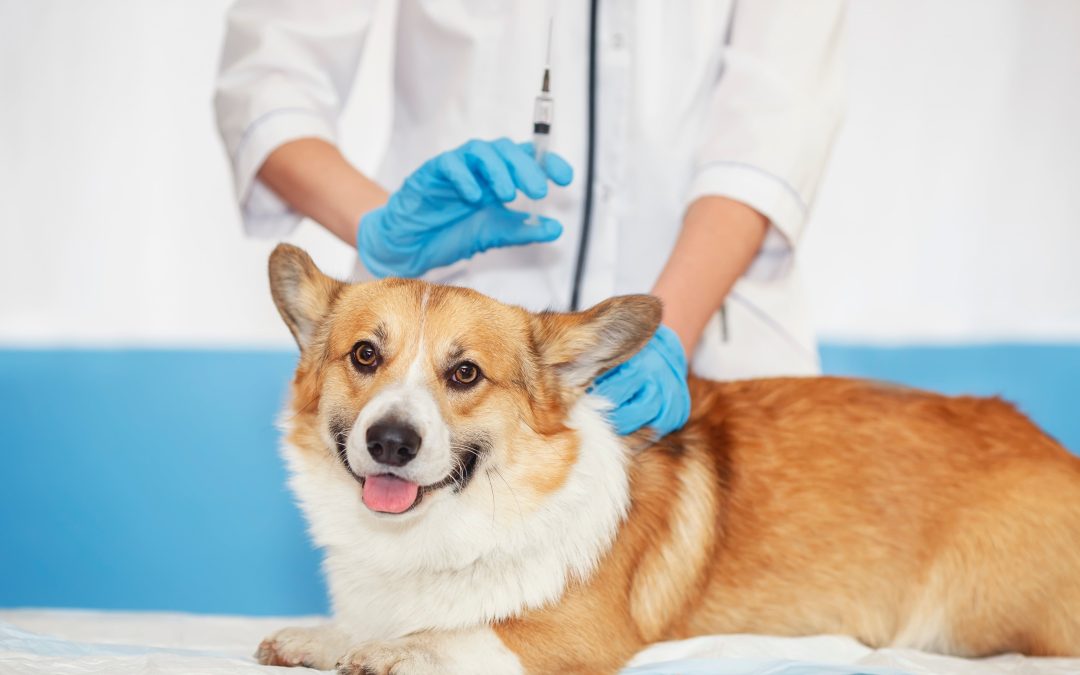
Vaccines prevent future illnesses and are extremely important to the health, happiness, and life longevity of your pet. It’s important for your pet to receive the proper cat or dog vaccinations within suitable times to ensure your pet is as protected as possible.
Effectiveness
Once your pet is fully vaccinated, it’s extremely rare for their immune system to fail in staving off a disease they’ve been vaccinated for. Following the vaccination timeline your vet provides is essential to ensure that your pet won’t become ill during gaps between vaccines.
What Vaccines Does Your Pet Need?
There are two categories of vaccines: core and non-core. Core vaccines are given to all cats and dogs and will protect against common issues such as rabies. Different vaccines have different timelines throughout the course of your pet’s life to ensure they continue to be protected.
Additionally, your pet vet clinic in Louisville, KY will also discuss your pet, their breed, age, and where you live when deciding on a course of non-core vaccines. Non-core vaccines offer extra protection to your animal based on what they’re predisposed to getting and environmental factors such as ticks. Your veterinarian will also discuss medications to prevent heartworms, flea infestation, and other diseases.
Puppies and Kittens
Young animals lack a developed immune system and are especially vulnerable to contracting infectious diseases. Unlike older animals, it’s important that puppies and kittens receive immunity boosters with a series of vaccinations until they are immunologically mature at 16 weeks. The first dose will introduce their immune systems to recognize the virus or bacteria, whereas subsequent doses will teach the immune system how to combat it by producing the necessary antibodies.
It’s essential to bring your kittens and puppies to an animal hospital in Louisville, KY to give them the best chance at life. They are much more susceptible to disease in this early life stage.
Dogs
Since dogs usually spend considerably more time outside than their feline counterparts. Dogs are more likely to encounter other dogs or environments other dogs have contaminated. It’s especially critical to have your dog vaccinated against diseases. There are vaccines for canine distemper, adenovirus, parainfluenza, influenza, bordetella, leptospirosis, lyme disease, rabies and parvovirus.
Contact us today if you have any questions or concerns about vaccinating your pet. Our veterinary care team will be happy to answer your questions and schedule a visit to further discuss which vaccines can protect your pet.